Stop Septic Backups Before Serious Damage Spreads
Septic System Repairs in Helena and surrounding areas for slow drains, sewage backups, and failing drain field sections
A+ 406 Waterworks handles septic system repairs in Helena, East Helena, Boulder and neighboring communities when drainage slows, toilets back up, or standing water appears over your drain field. You might notice sewage odors near the tank, wet spots in the yard that never dry, or gurgling sounds from plumbing fixtures when you flush or run water. These signs point to broken lines, saturated soil, or damaged baffles that prevent the system from processing wastewater the way it was designed to work.
The repair process starts with locating the failure point. Drainage issues can stem from crushed inlet pipes, roots breaching the tank, separated outlet lines, or compacted soil in the absorption field. Once the cause is identified, the repair might involve excavating a section of line to replace cracked pipe, clearing a blocked baffle inside the tank, or rerouting wastewater flow to a healthier section of the drain field. In cases where soil saturation has damaged a limited area, targeted excavation and soil replacement can restore absorption capacity without tearing out the entire field.
Reach out to A+ 406 Waterworks when you need a clear assessment of what is failing and what can be fixed in your septic system.
What Happens During a Septic Repair Visit
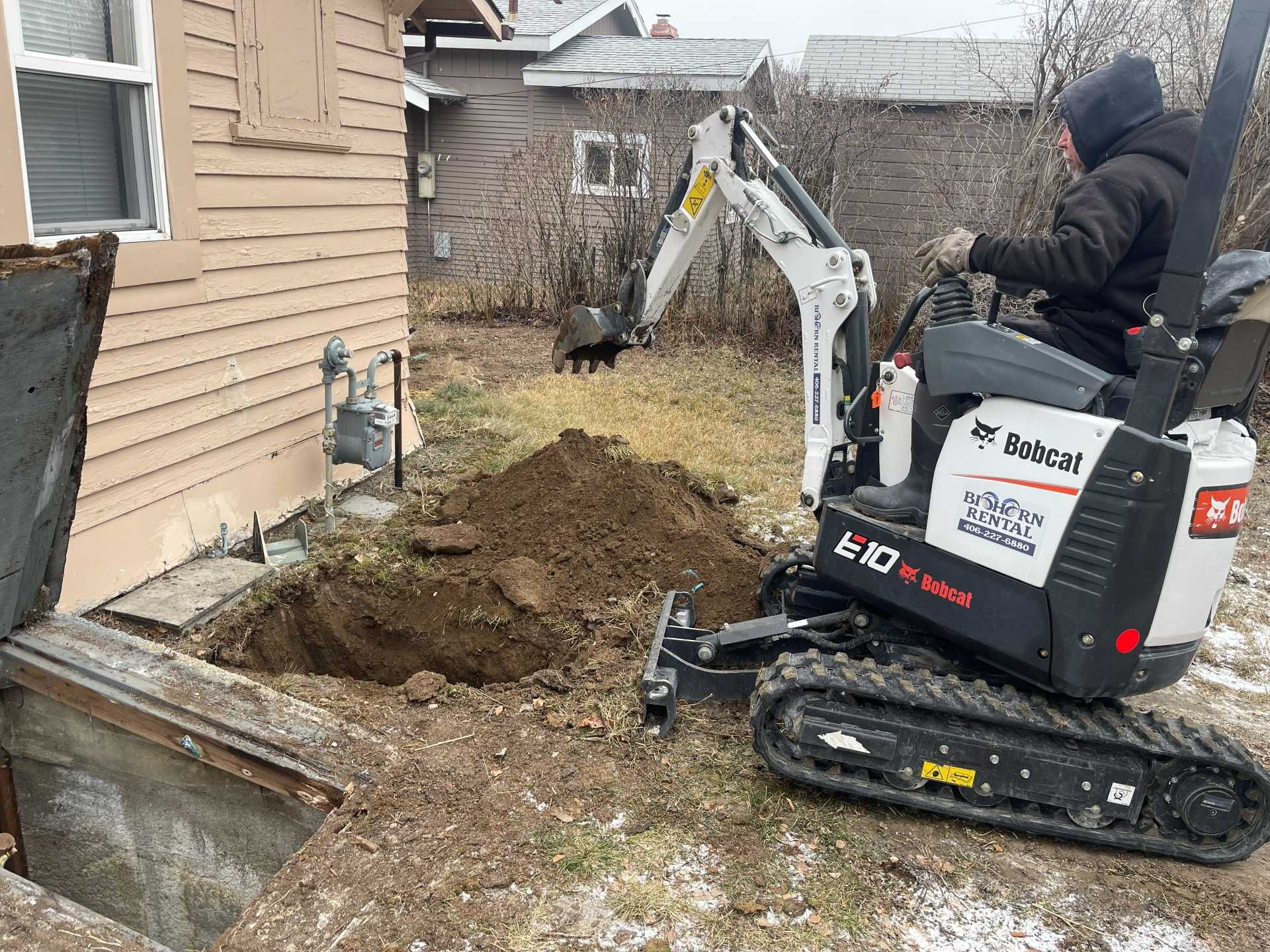
You will see the technician probe access points, check liquid levels in the tank, and run dye tests or camera inspections through outlet lines to trace where wastewater is pooling or escaping. Many repairs require excavation equipment to expose buried components, so expect marking flags, open trenches, and temporary disruption to landscaping over the affected area. The work may involve cutting out a section of perforated pipe, sealing cracks in the tank wall with hydraulic cement, or replacing a deteriorated distribution box that has shifted out of level.
After the repair is finished, you should notice that drains empty at normal speed, toilets flush without hesitation, and wet areas in your yard begin to dry out as the system regains its ability to disperse and filter wastewater through the soil. A+ 406 Waterworks focuses on restoring function to the existing system, extending its working life without automatically recommending full replacement unless structural failure or code violations make repair unviable.
Not all septic problems require the same solution. A failing pump in a pressurized system needs electrical diagnostics and mechanical replacement, while a saturated drain field may only need rest time, load reduction, or partial rehabilitation. Some repairs are temporary measures to buy time until a replacement can be planned and permitted. The technician will explain which components are salvageable, what risks remain, and when further investment in the current system no longer makes practical sense.
What You Should Know About Fixing Your Septic System
Homeowners often ask how repairs differ from routine maintenance and whether a problem means the whole system is lost.
What is the difference between a repair and a full replacement?
A repair addresses a specific failing component such as a broken pipe or damaged baffle, while replacement means installing a new tank, drain field, or both because the original system can no longer meet code or function safely.
How long does a typical septic repair take?
Most single-component repairs are completed in one day, though drain field work or multi-point failures may require two days depending on excavation depth, soil conditions, and part availability.
Why does my drain field stay wet even after pumping the tank?
Pumping removes solids but does not fix saturated soil or clogged distribution lines; if the absorption area is compacted or clogged with biomat, the liquid has nowhere to go even when the tank is empty.
When should I repair instead of replace?
Repair makes sense when the tank structure is sound, the drain field soil still has absorption capacity, and the problem is isolated to a repairable component; replacement becomes necessary when the entire field is failing or the tank has collapsed.
What tools are used to locate the problem?
Technicians in the Helena area use probes to measure sludge depth, cameras to inspect pipe interiors, dye tracers to follow wastewater flow, and excavation equipment to expose buried components for direct inspection.
If your system is showing signs of failure, contact A+ 406 Waterworks to determine whether a targeted repair can restore reliable operation and protect your property from contamination.